How to make Мясо по-французски
Мясо по-французски (literally translated French meat) is one of our favorite meals here in Russia, especially Micah. It is really simple to make and tastes really good.

Cut a pork roast into approx. 1 inch slices
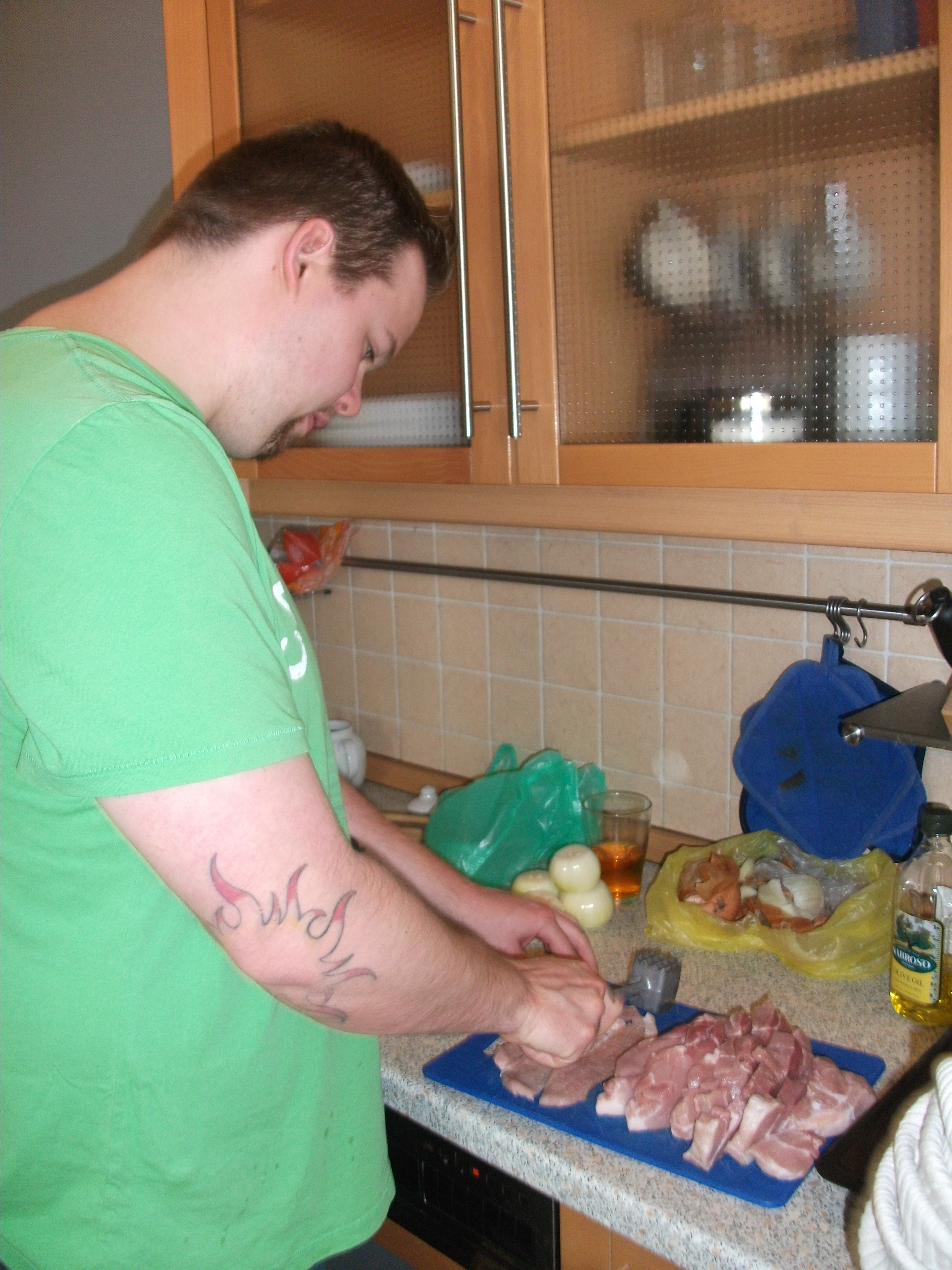
Have a strong capable man tenderize and pound the meat until very thin
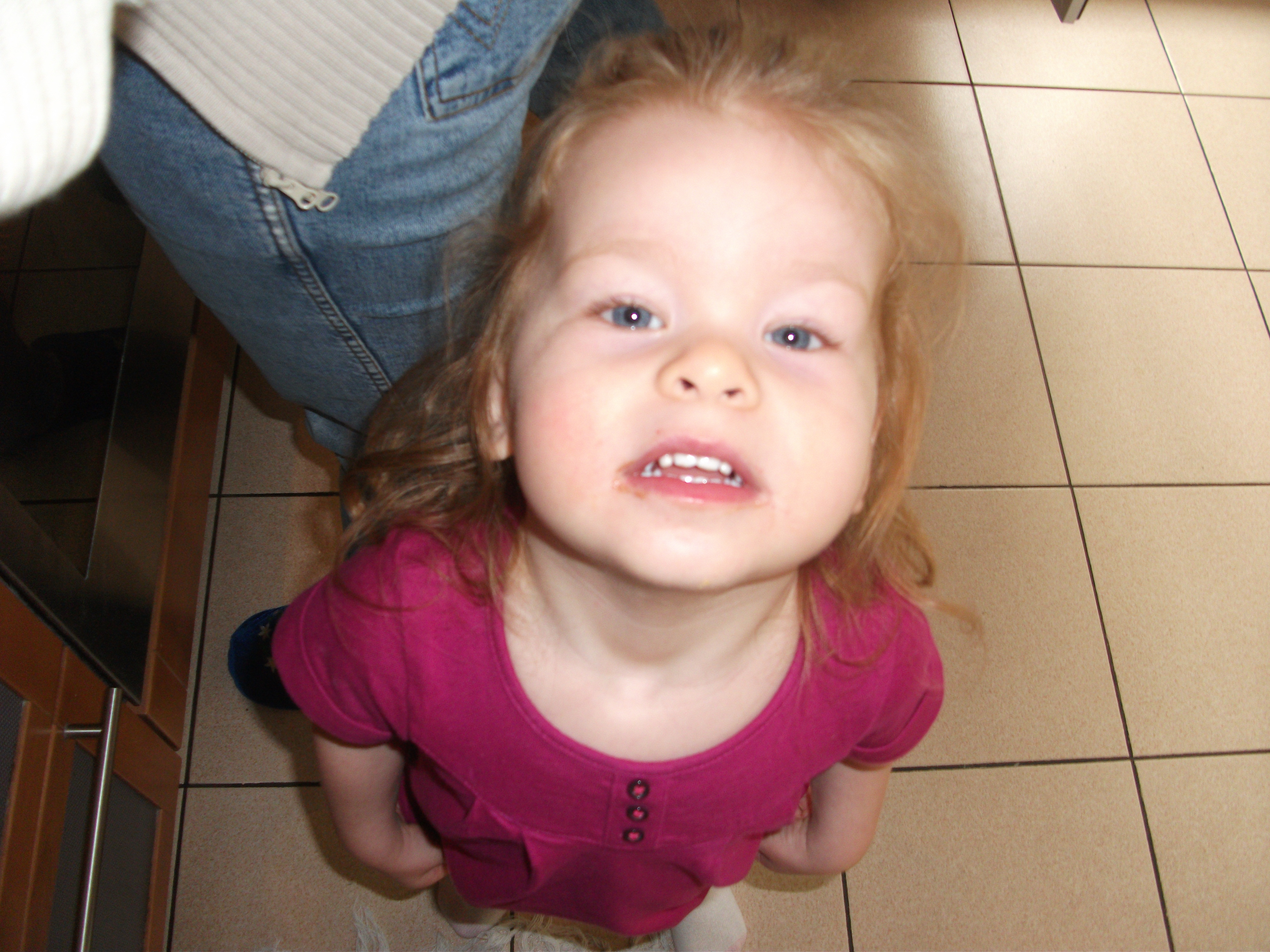
Have your daughter say cheese!

After salting and peppering the meat, cover with thinly sliced onion
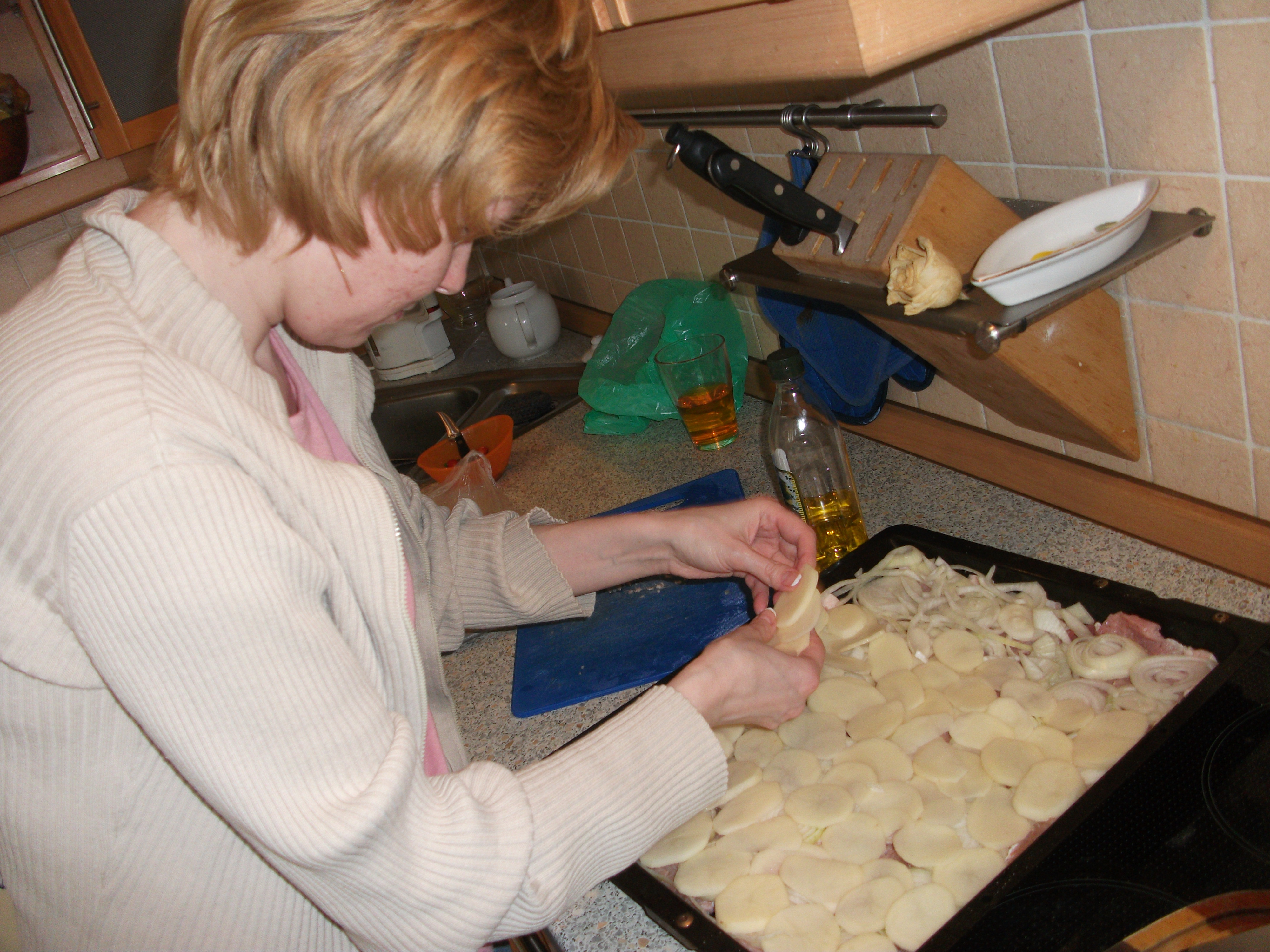
Cover the onion layer with thinly sliced potatoes
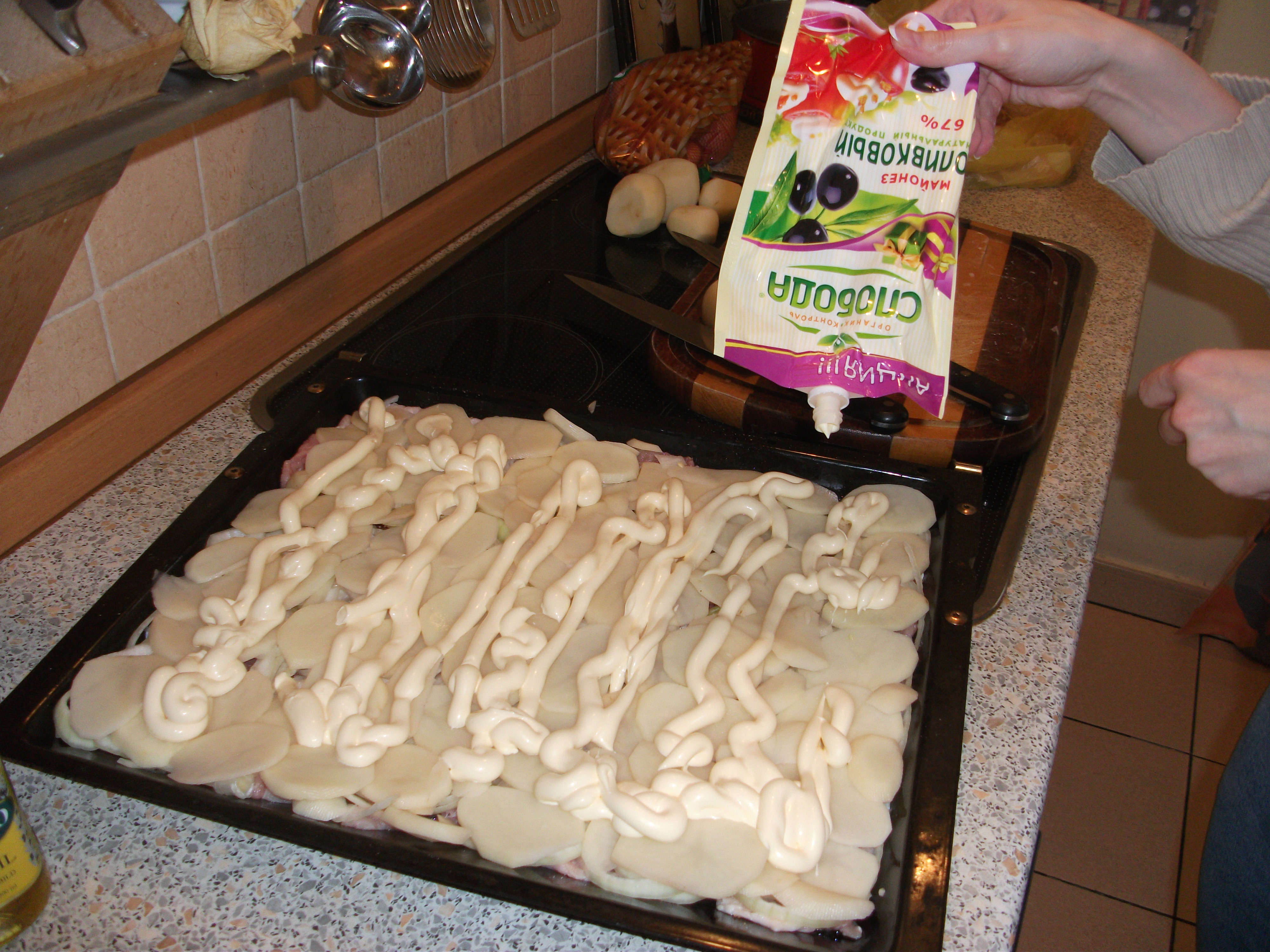
Next, spread on a layer of mayo and smooth it out. Don't say eww, just try it!
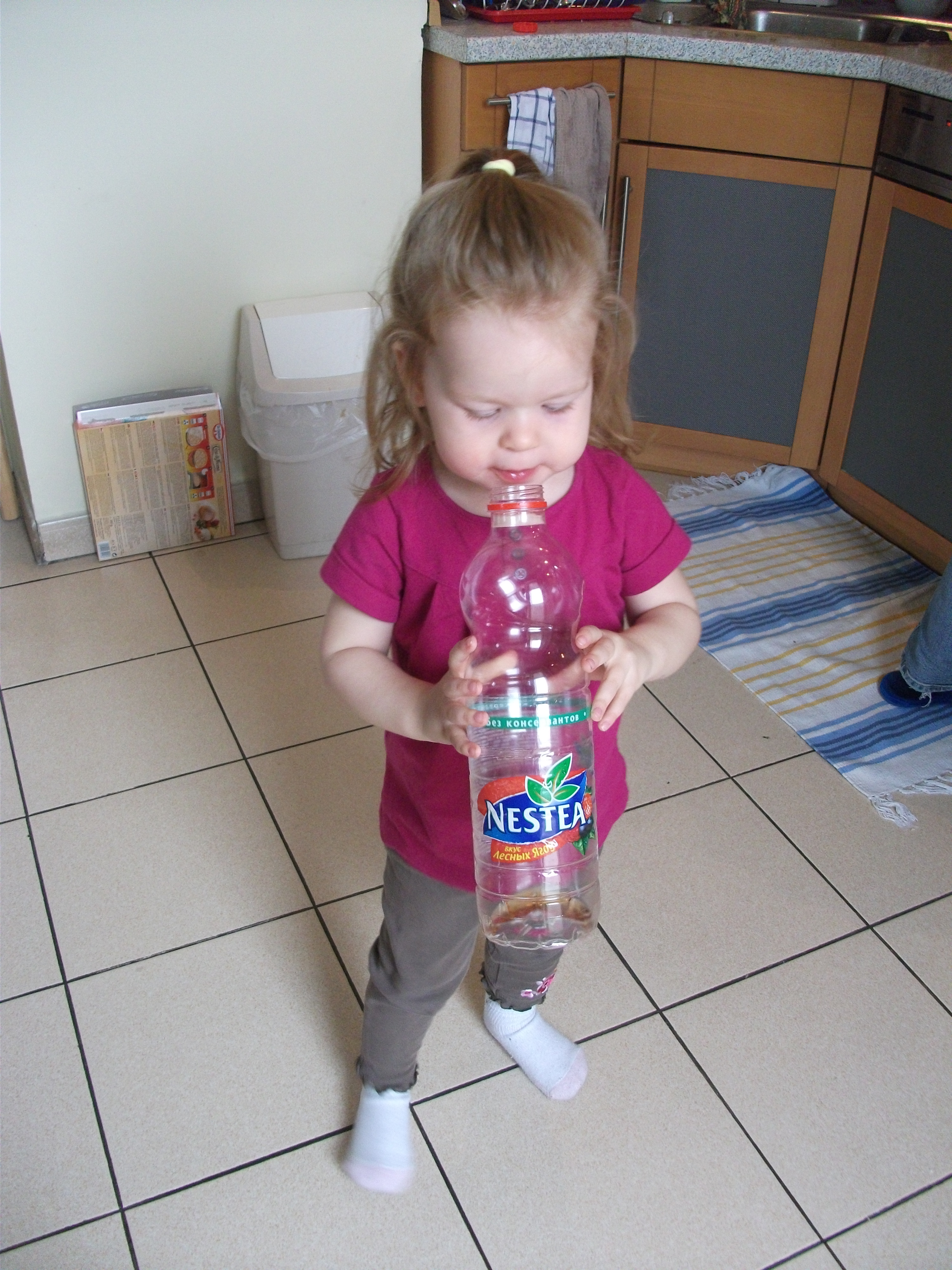
Give daughter something to entertain herself while meat is in the oven
Insert pan into a 400 F oven for about 40 minutes. Check to makes sure potatoes are soft by this point. Next add about a 3-4 cups shredded cheese. We used Gouda cheese (its one of the best ones here). Put back in oven for at least 10 minutes or until cheese is melted and starting to brown.
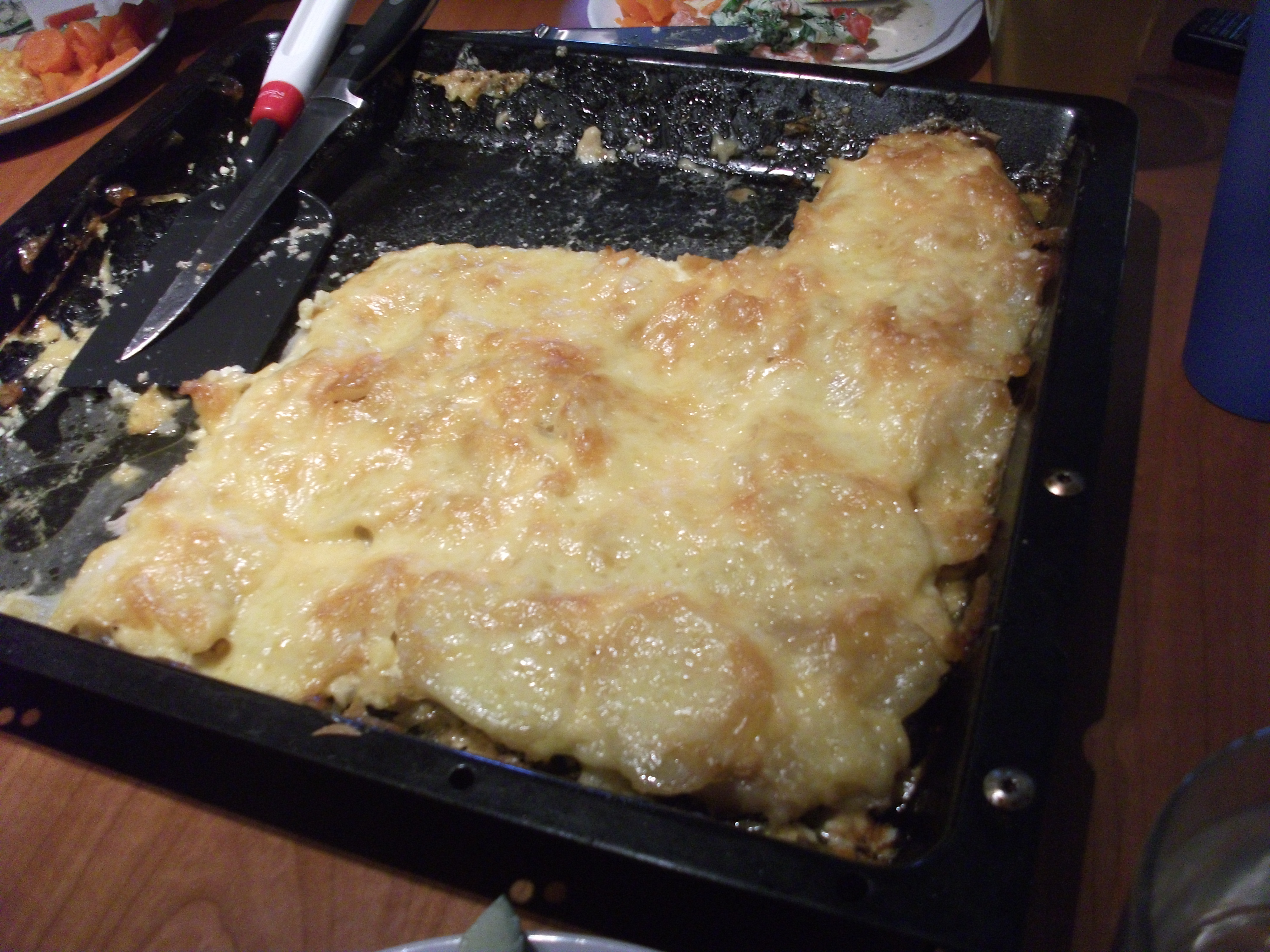
Finished product with some taken out. Dived right into it and forget to take a picture.
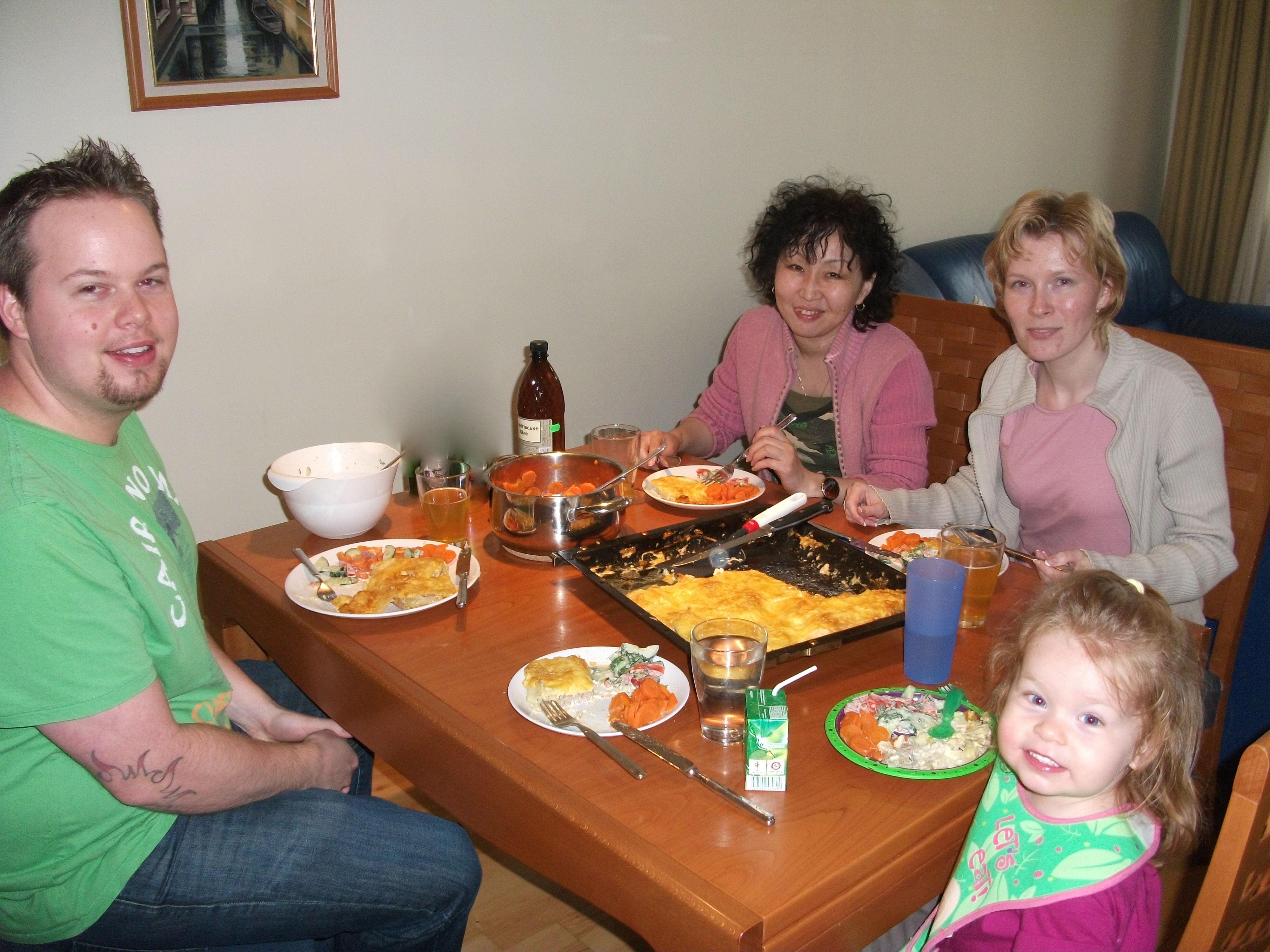
Enjoy with friends and family
Looking for something to make this week? Give it a try and let us know what you think. 🙂
День Победы-Victory Day
Hi Friends!
Yesterday we celebrated one of the biggest holidays here in Russia – Victory Day. This day celebrates the victory we had over fascism during WWII. There is always a big parade at Red Square followed by lots of fireworks in the evening. We watched the parade on television, then took a 4 mile walk to a cathedral that I have been wanting to see for a long time. It was a beautiful day, so there were many people out walking. At 10pm, we had a great view of the fireworks from our apartment window.
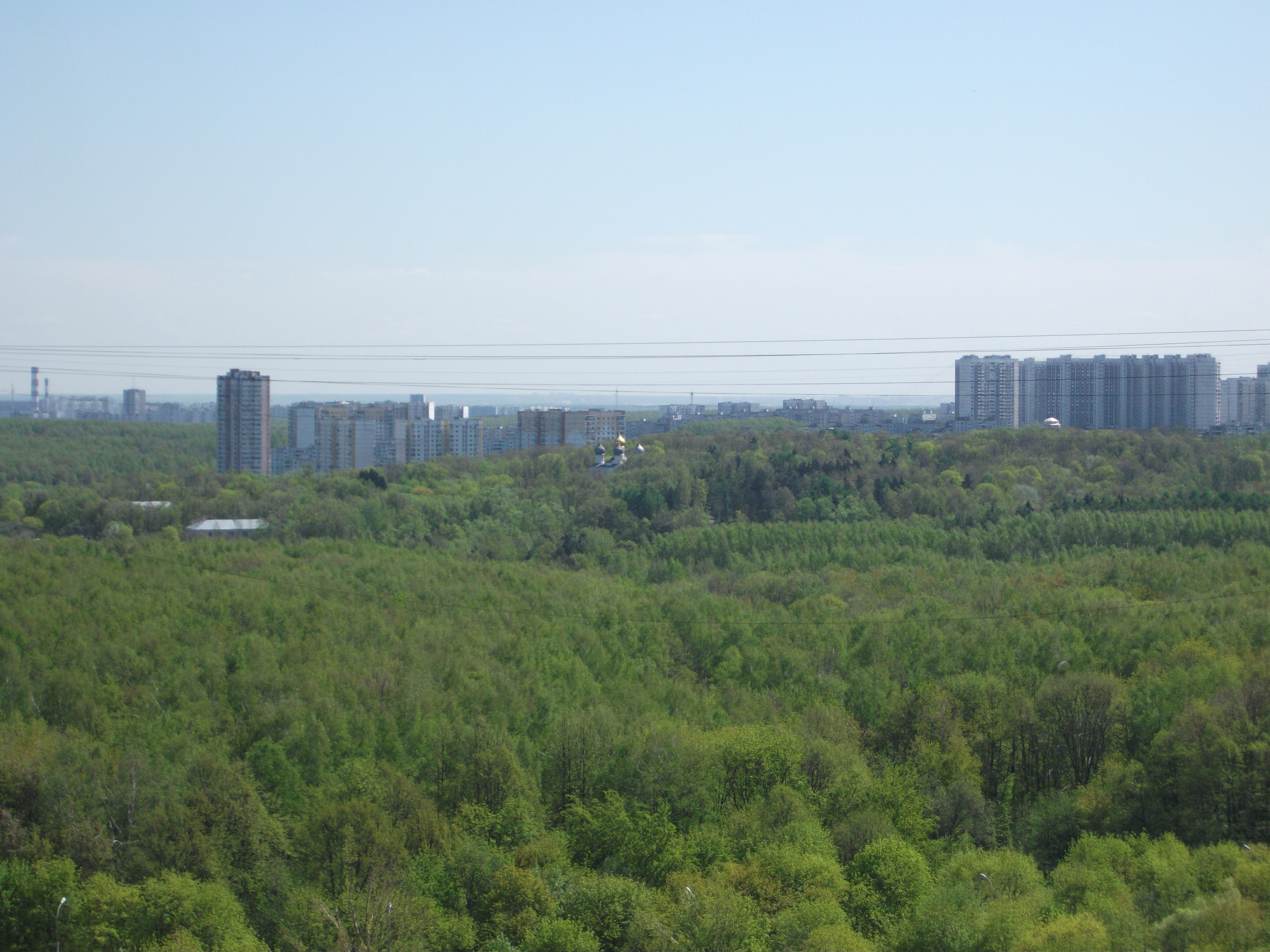
View from our apt. Can you see the cathedral poking out of the forest? That is where we walked.
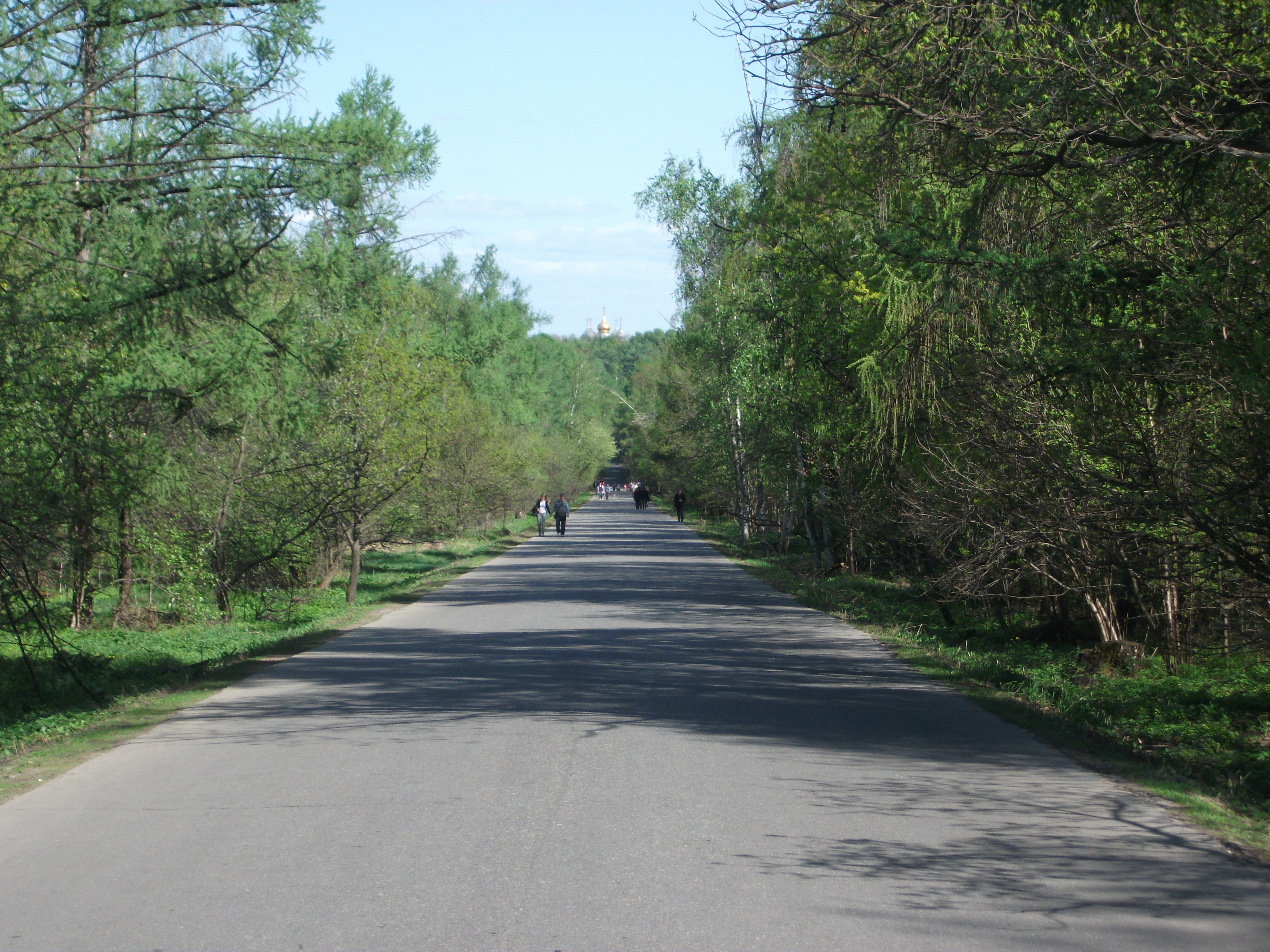
Path through the forest
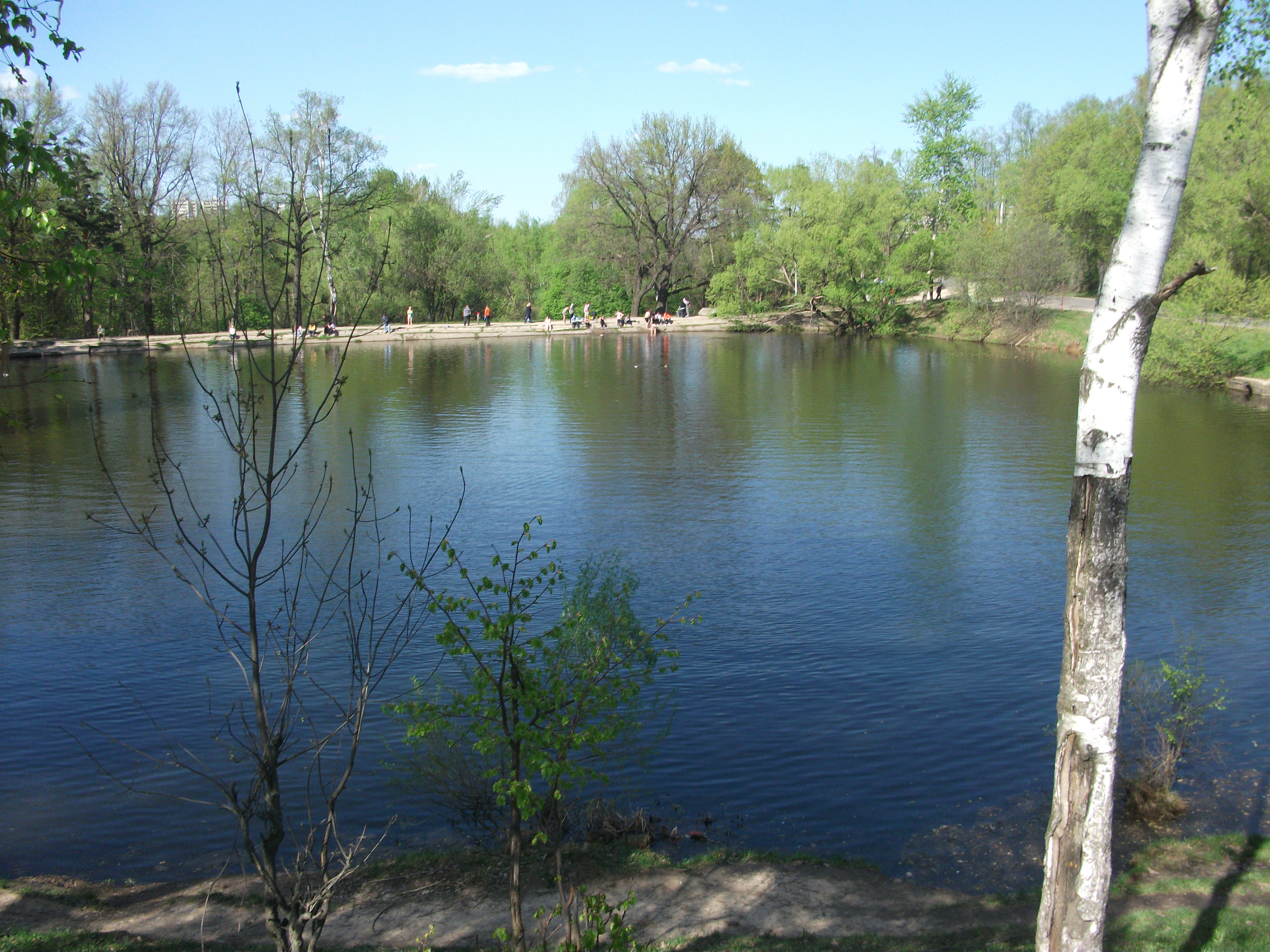
A pond we found on the way
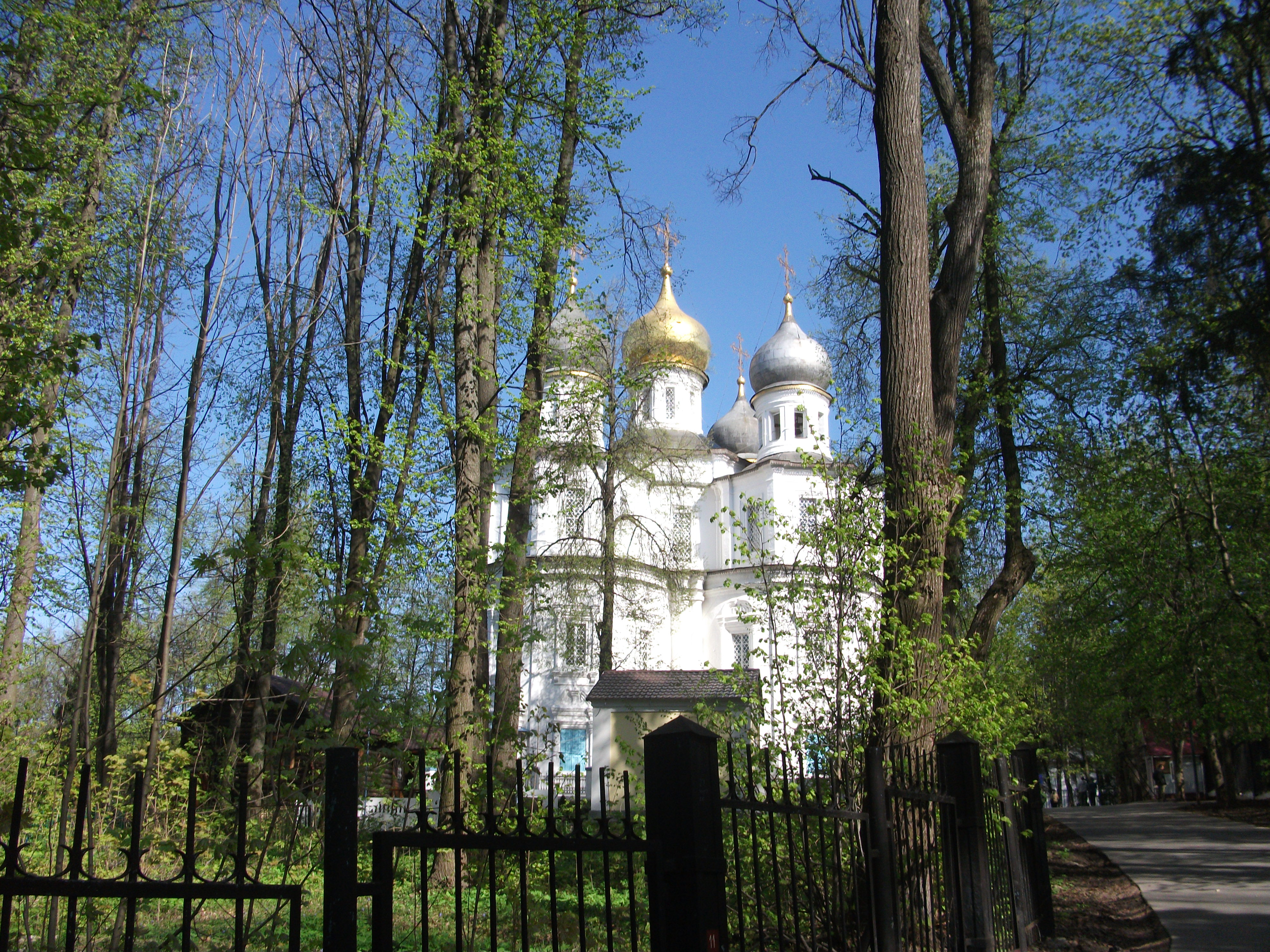
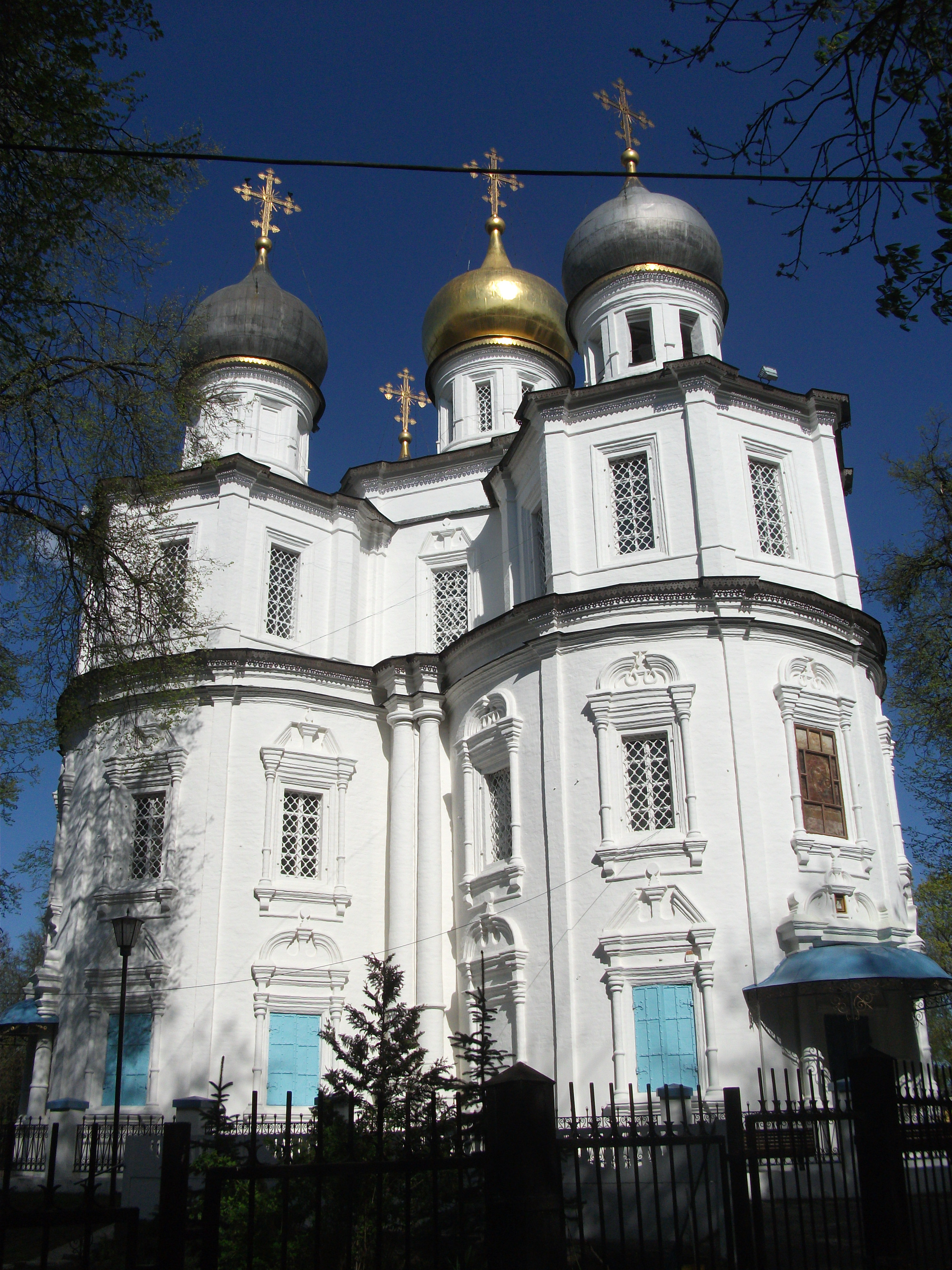
At last! We made it. I have been wanting to check this cathedral out for a year!

A sign by the cathedral informing us that we were on holy ground and we needed to conduct ourselves in a tasteful manner
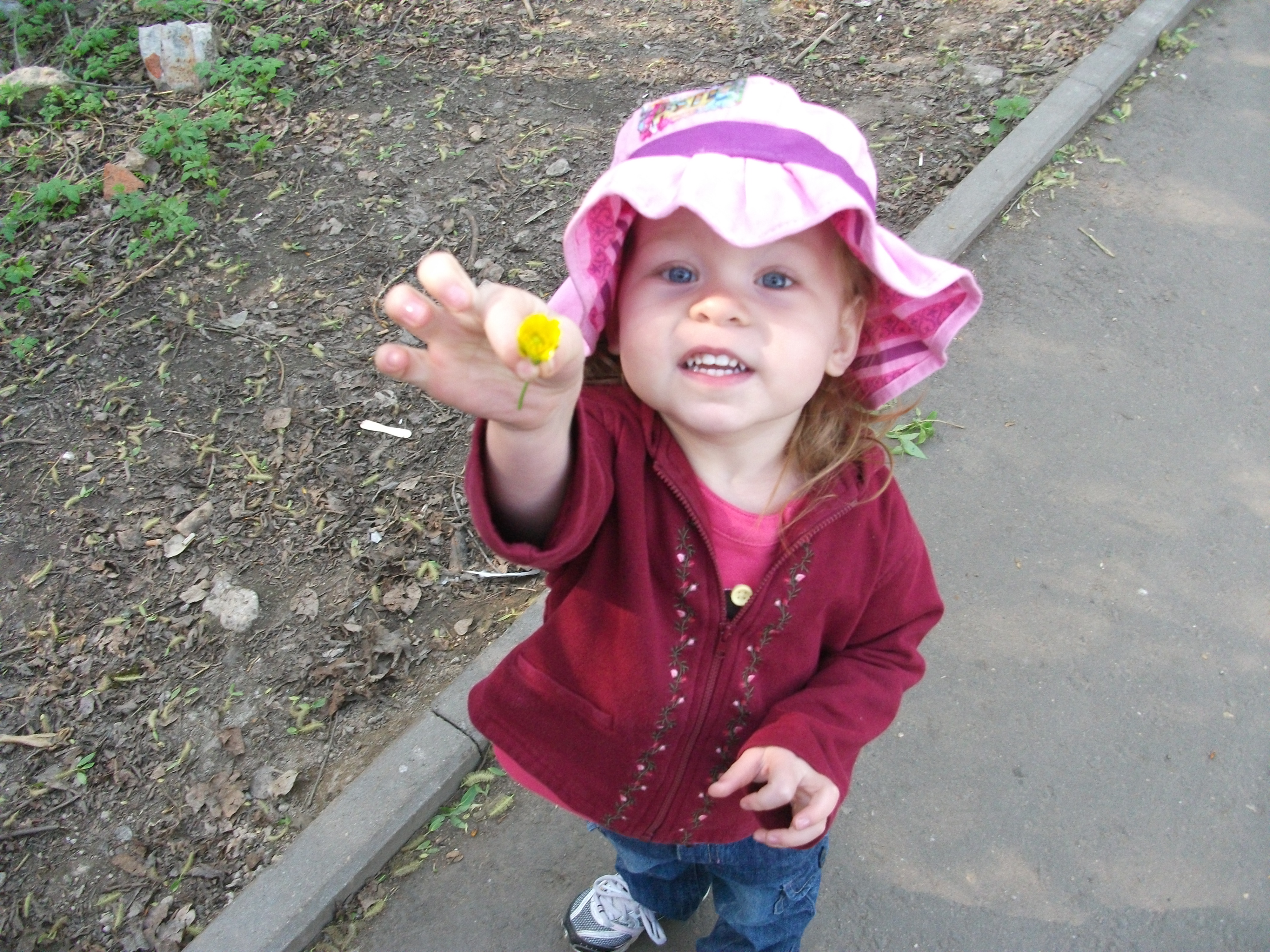
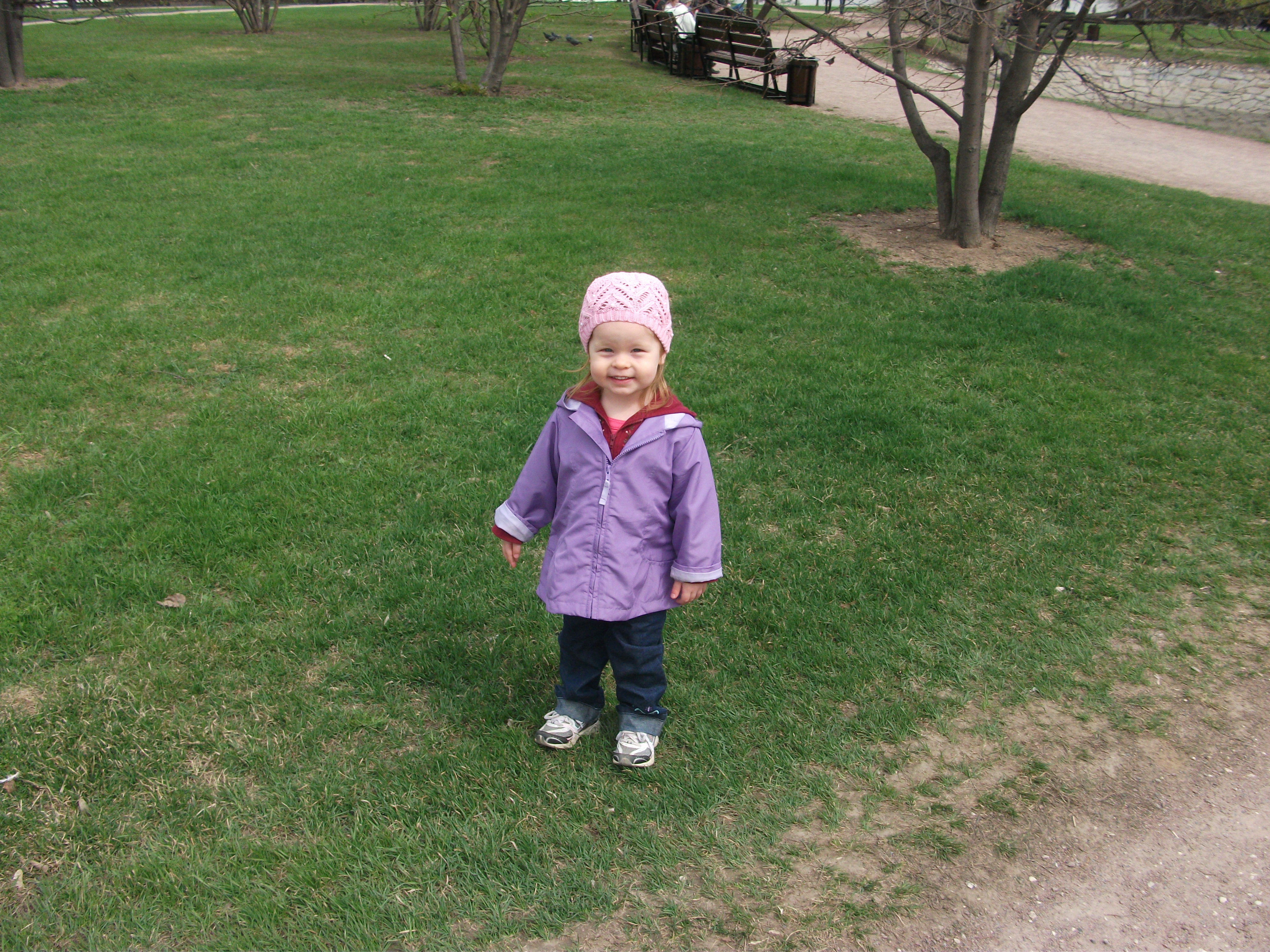
Violet likes to gather flowers along the road.
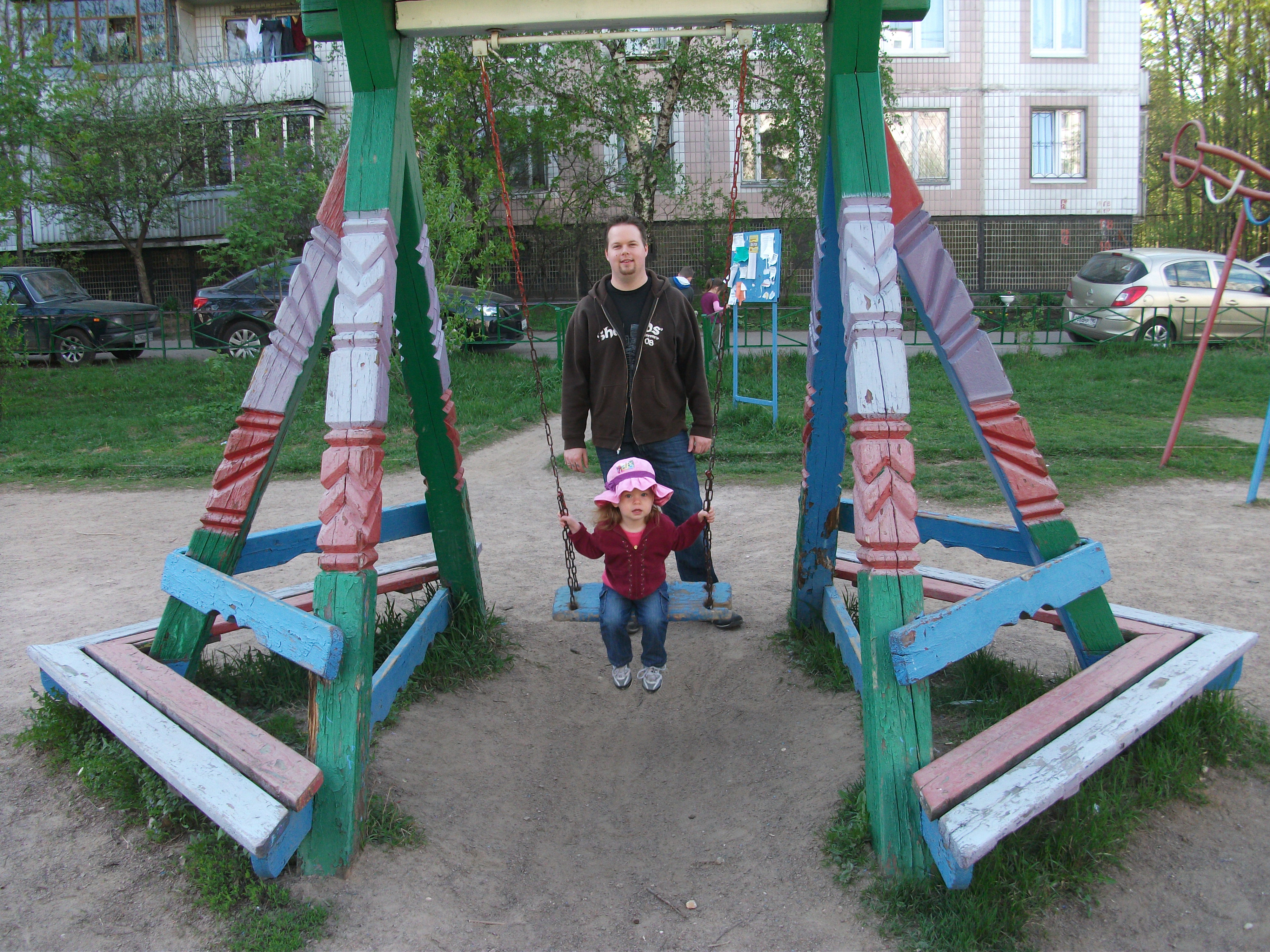
Having some fun at a playground that we found
Kolomenskoye – Коломенское
On Monday, Russians had the day off for their Labor Day, which means we didn’t have class. So Micah, Violet and I decided to go sight seeing since the weather was nice. It was a little cooler, but still sunny. We went to Kolomenskoye Park which used to be a village. Here is some history for you:
“The village of Kolomenskoe was founded in 1237 by refugees from Kolomna, although archaeological traces have been found here of pre-Slavic civilizations dating back over 2,500 years. In the 15th-17th centuries the village became first a Grand Prince’s and then the Tsar’s estate. Peter the Great was brought here for his own safety during the streltsy insurrection of 1682, and began his studies here. His daughter, Elizabeth, was also born here. Later, Alexander I studied here on his way to Moscow with his grandmother, Catherine the Great.”
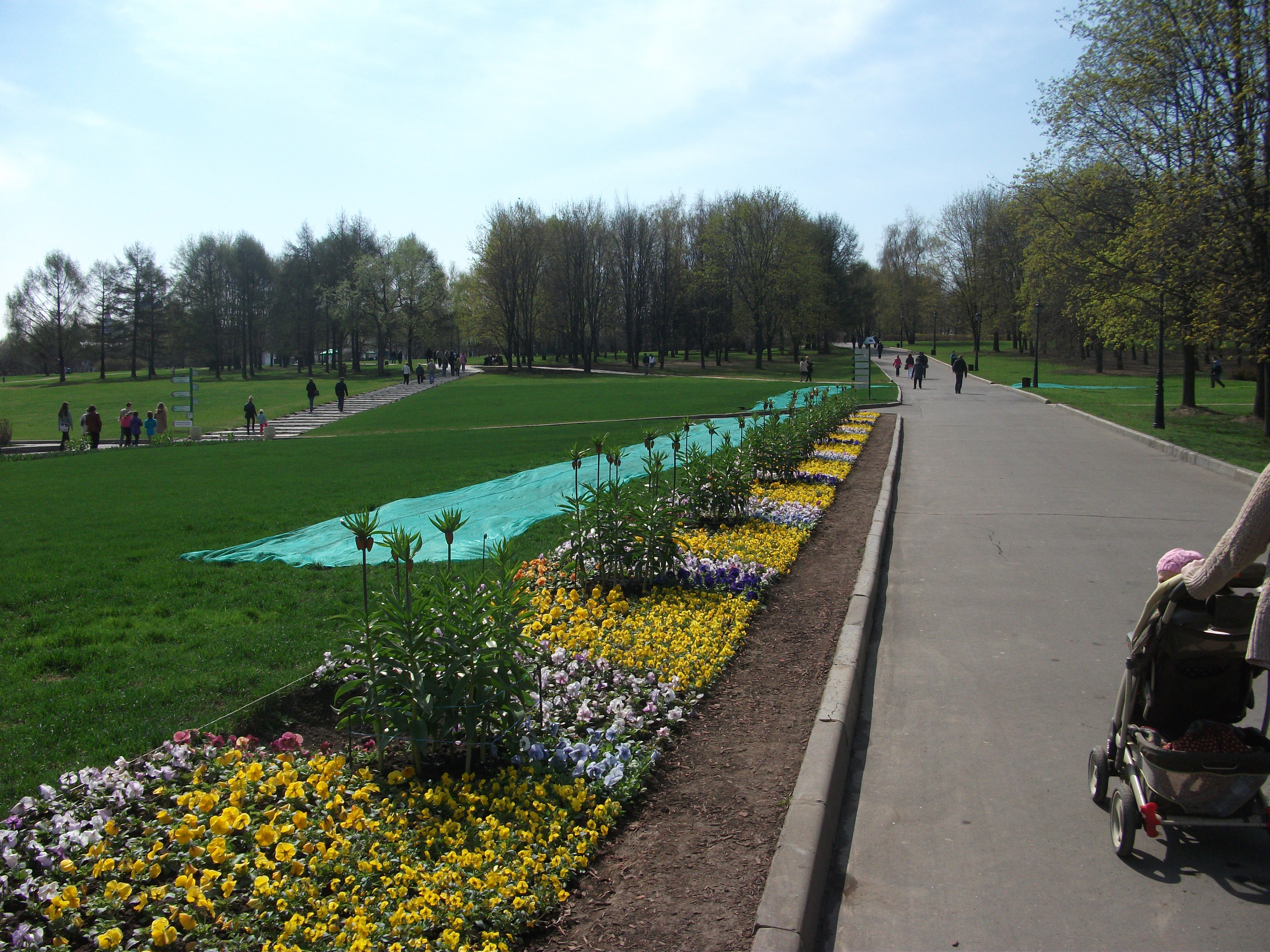
green grass and lots of pretty planted flowers
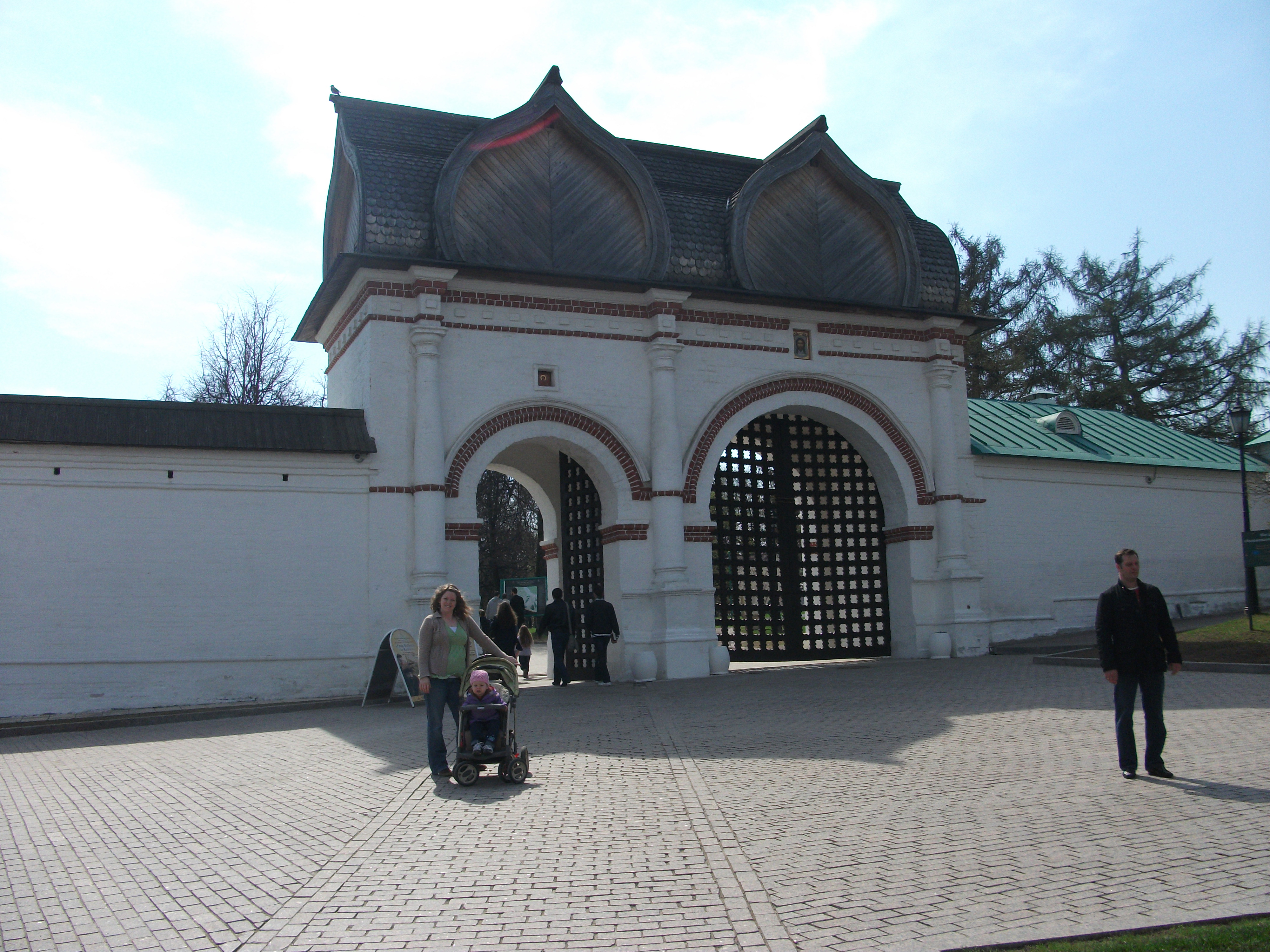
outside the Stone gates
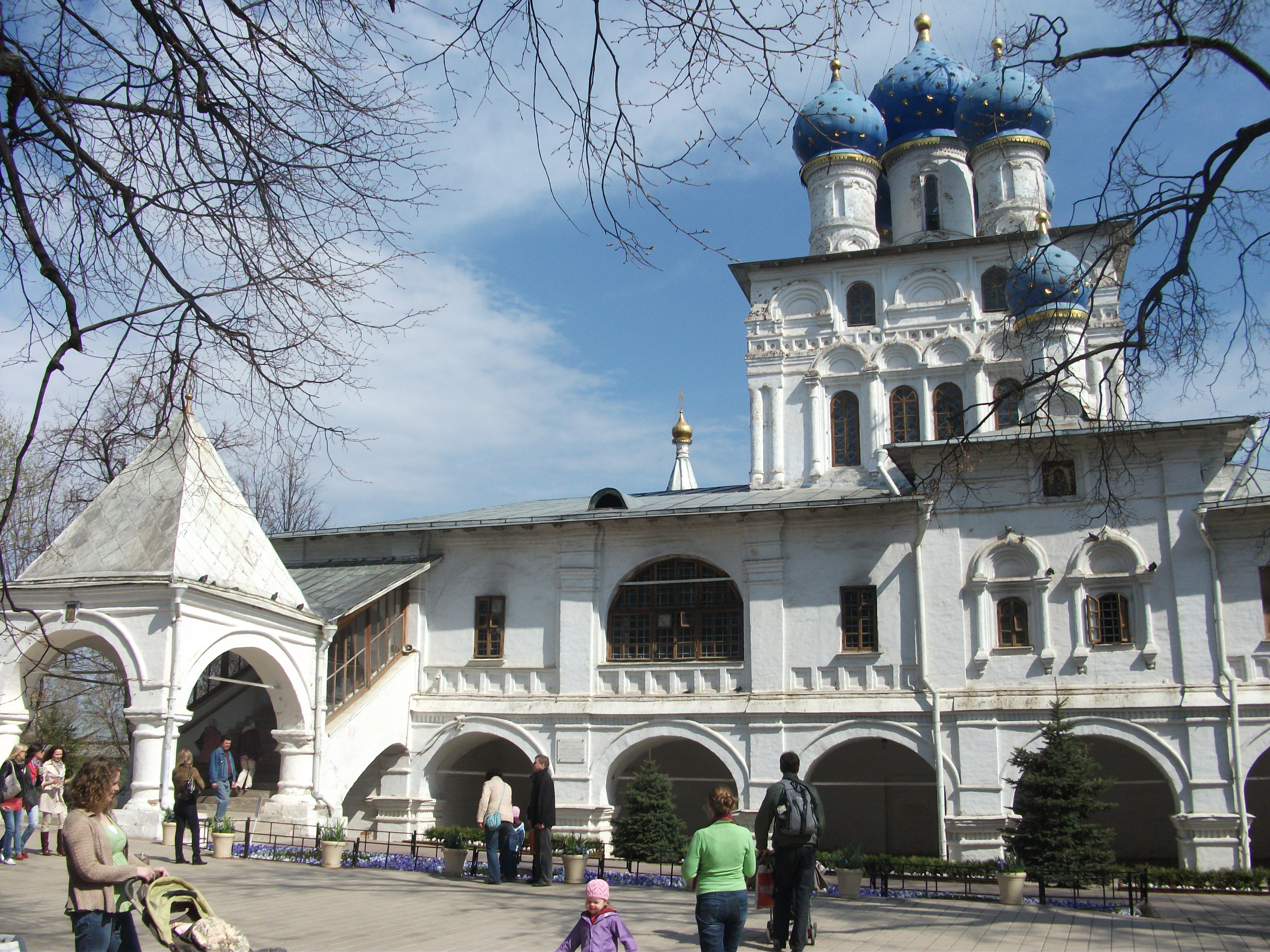
Church of Our Lady of Kazan
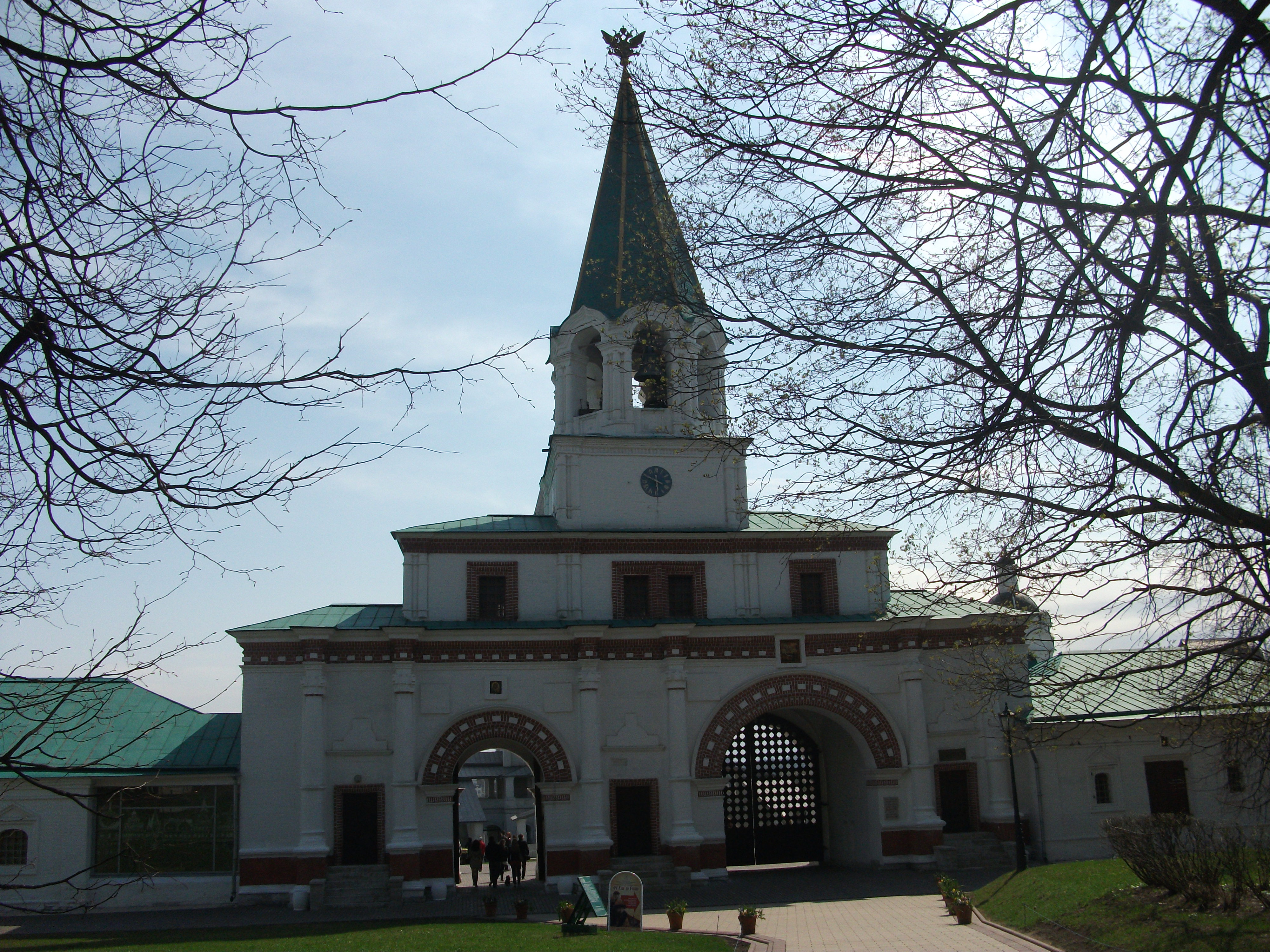
part of the Colonel Palace
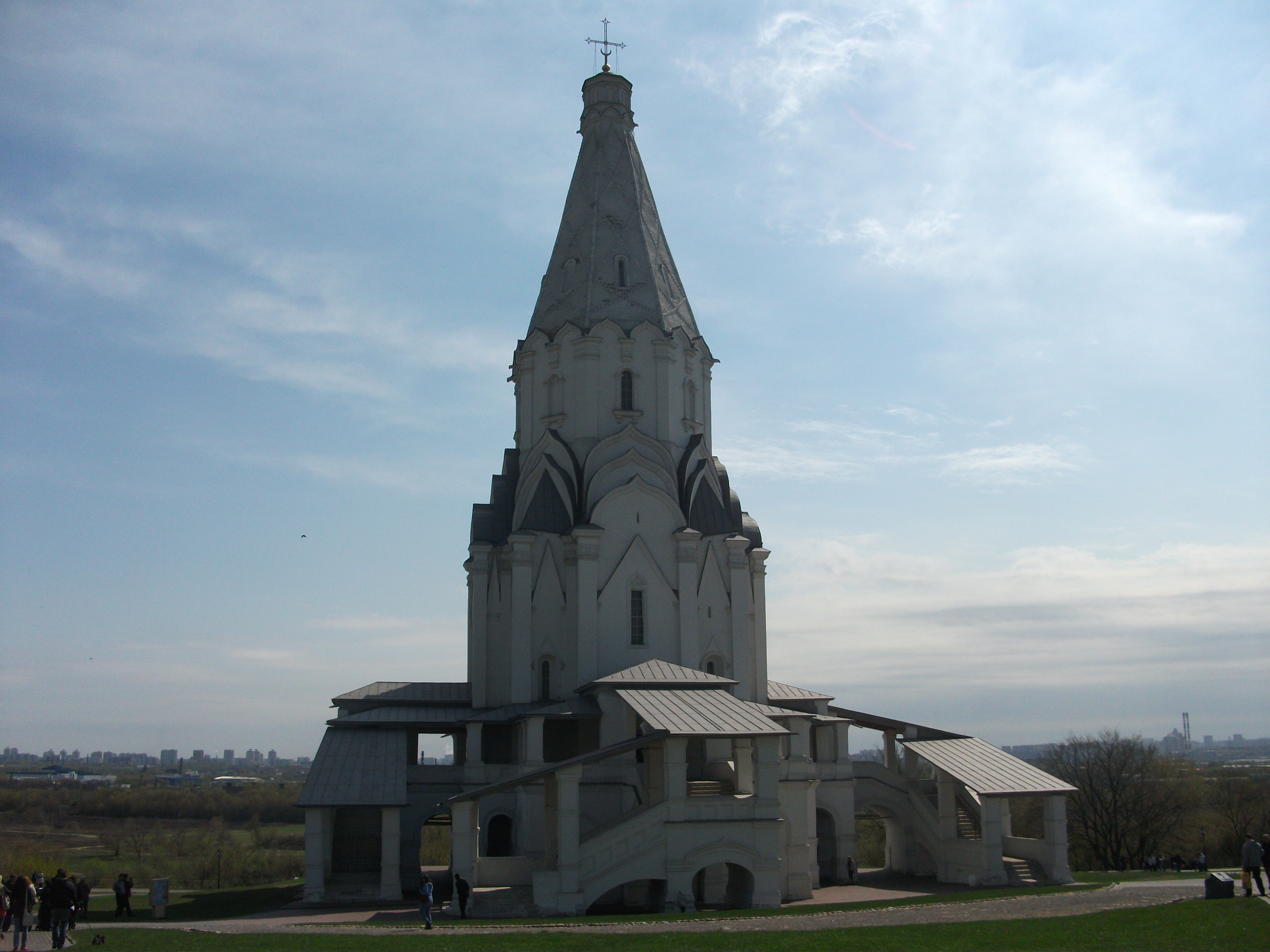
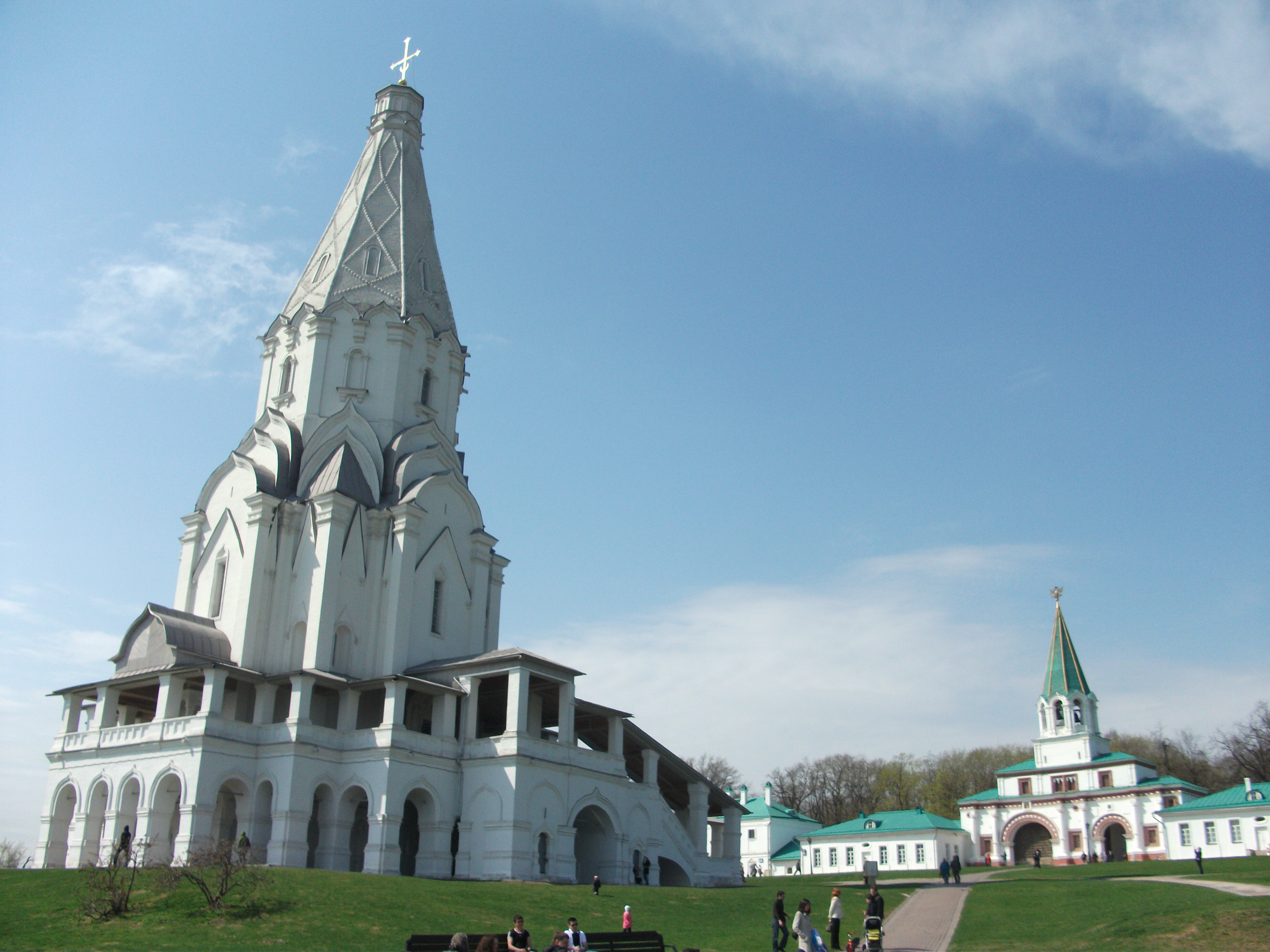
Ascension Church - one of the tallest church buildings in Moscow
“It was constructed in 1529-1532 by order of Tsar Vasily III to commemorate the birth of his son and heir, Ivan the Terrible. Its unique blend of architectural styles has been attributed to the copying of much older wooden ecclesiastical architecture and to early influences from Italy.”
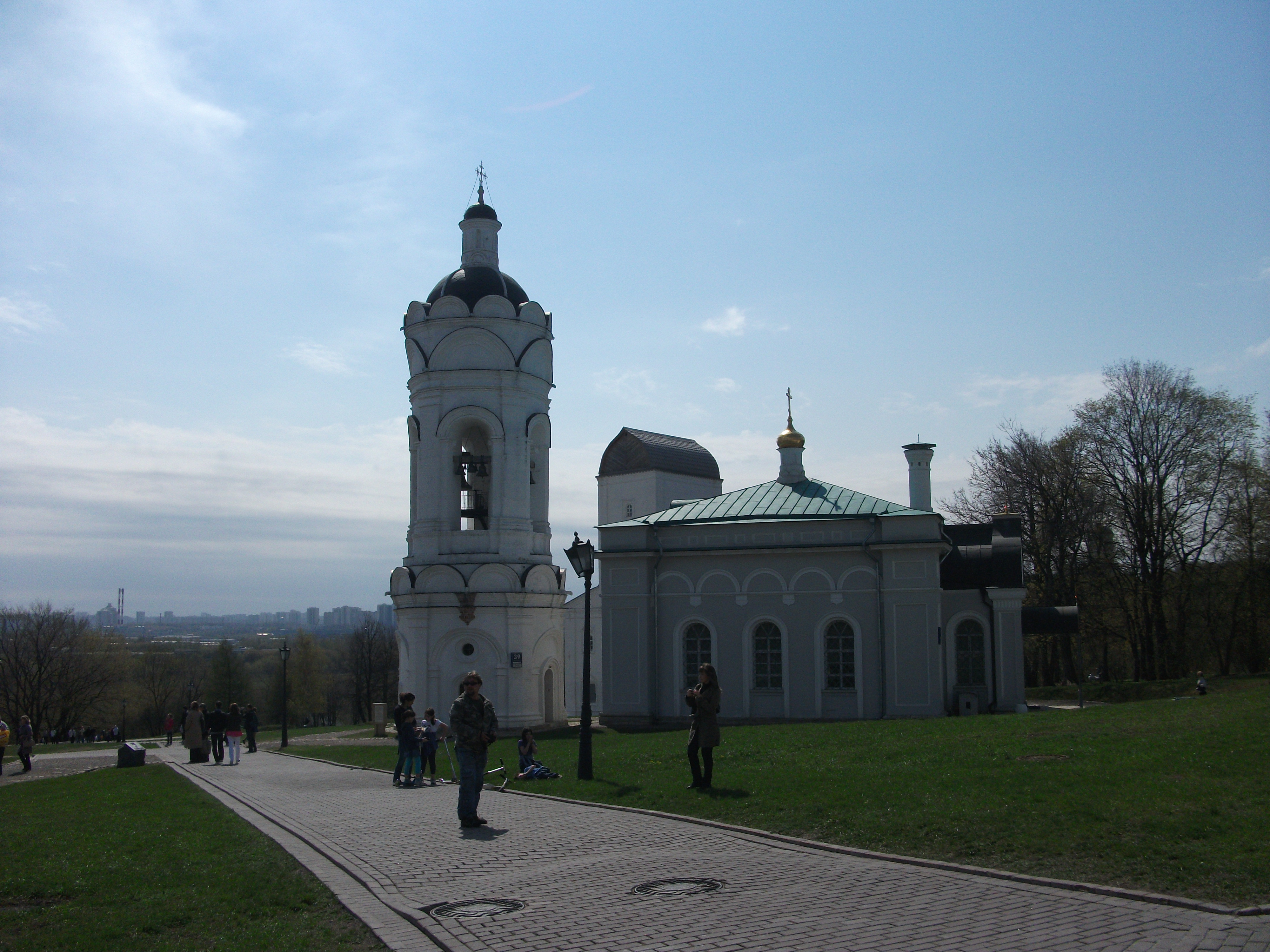
George bell tower

the other side of Colonel Palace

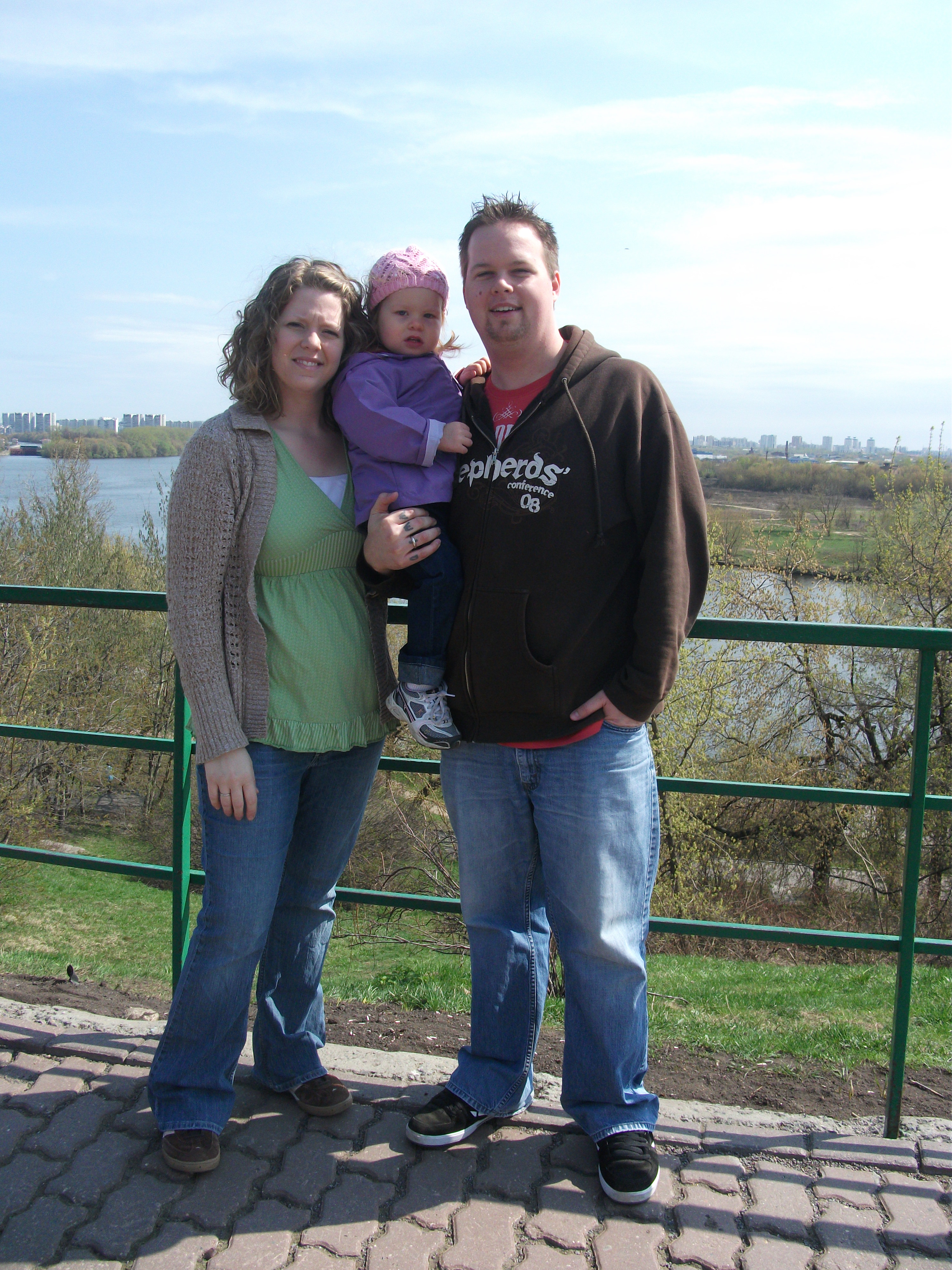
Moscow River

Bee keeper's house
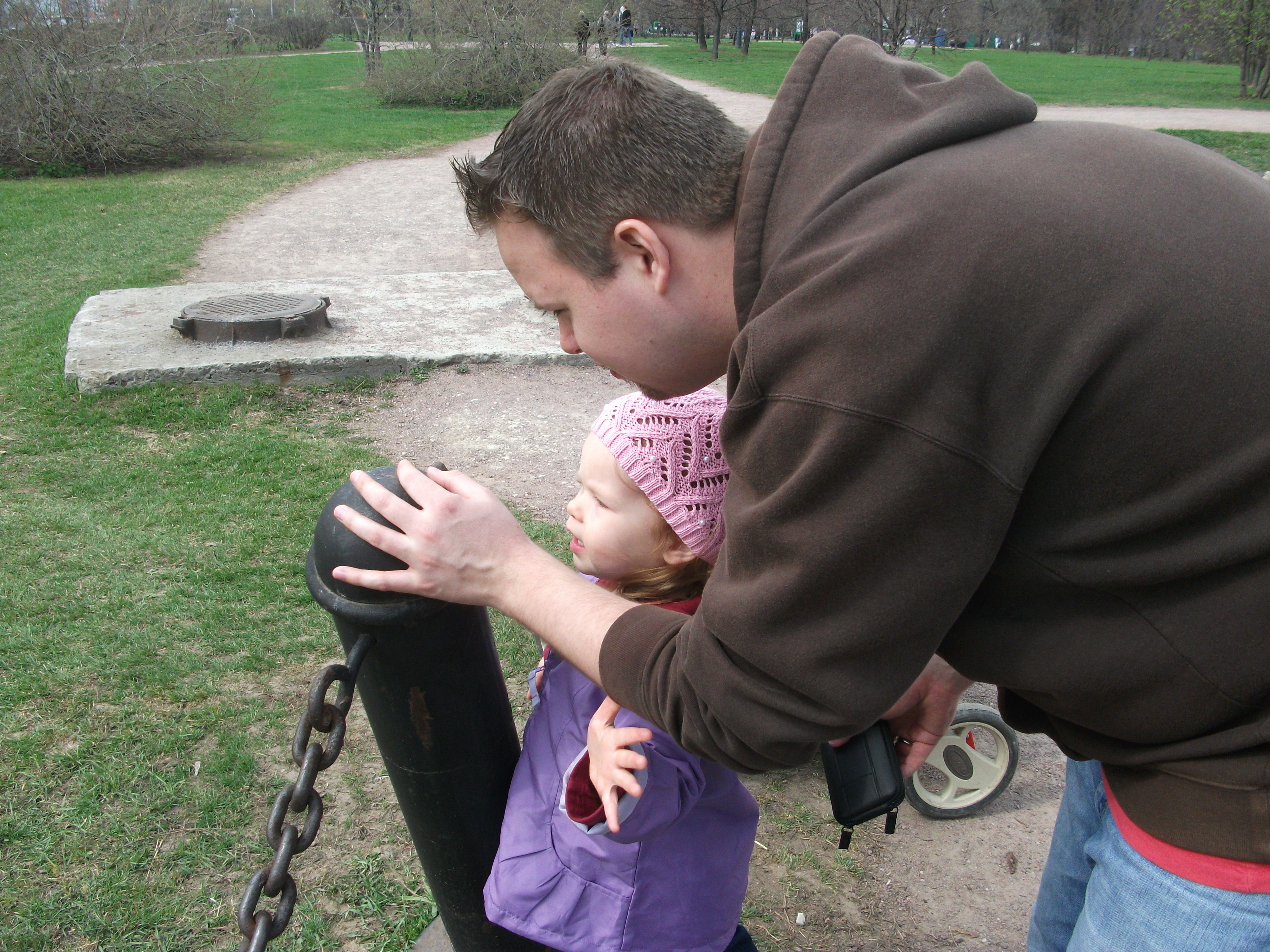
checking out an ant on the pole

* quotes taken from this site


 Six Sandowiches